Weather-Resilient, Circular and Smart
Cycling Superhighways
BRINGA aims to develop and demonstrate a new generation of weather-neutral, physically protected, circular and energy-self-sufficient cycling superhighways that enable year-round, daily commuting by bicycle, independent of weather conditions and road traffic risks.
The project addresses one of the main barriers to mass cycling uptake in Europe: unpredictable weather, safety concerns, and lack of protected, high-quality infrastructure for everyday mobility.
Weather-Resilient, Circular and Smart
Cycling Superhighways
BRINGA aims to develop and demonstrate a new generation of weather-neutral, physically protected, circular and energy-self-sufficient cycling superhighways that enable year-round, daily commuting by bicycle, independent of weather conditions and road traffic risks.
The project addresses one of the main barriers to mass cycling uptake in Europe: unpredictable weather, safety concerns, and lack of protected, high-quality infrastructure for everyday mobility.
Key Innovation Dimensions
1. Climate-resilient cycling infrastructure enabling 24/7, all-season use
2. Circular construction technologies using recycled and secondary raw materials
3. Energy-positive infrastructure with integrated PV and storage
4. Industrialised, modular production enabling mass replication
5. Smart mobility integration (lighting, monitoring, digital services)
6. Urban and peri-urban adaptability, including reuse of disused rail corridors
Core R&D and Innovation Activities
And there's more...
Key Innovation Dimensions
1. Climate-resilient cycling infrastructure enabling 24/7, all-season use
2. Circular construction technologies using recycled and secondary raw materials
3. Energy-positive infrastructure with integrated PV and storage
4. Industrialised, modular production enabling mass replication
5. Smart mobility integration (lighting, monitoring, digital services)
6. Urban and peri-urban adaptability, including reuse of disused rail corridors
Core R&D and Innovation Activities
And there's more...
yalla
yalla
Weather-neutral, use all year round
yalla
Weather neutral, use all year round
Current bike lanes
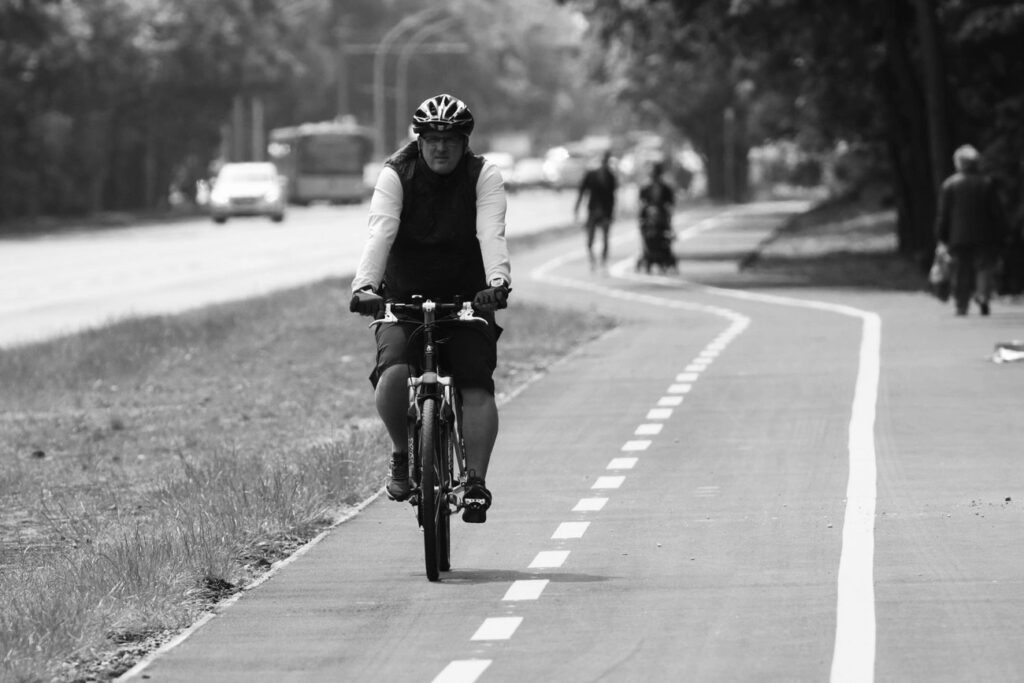
Exposed to weather (rain, snow, wind, cold, air pollution)
Insufficiently separated from motorised traffic
Do not support predictable commuting at scale
Fail to trigger a substantial modal shift from private cars
As a result, cycling has so far delivered limited impact on CO₂ reduction, congestion mitigation and public health, particularly in autumn and winter periods when emissions are highest.
Proposed solution
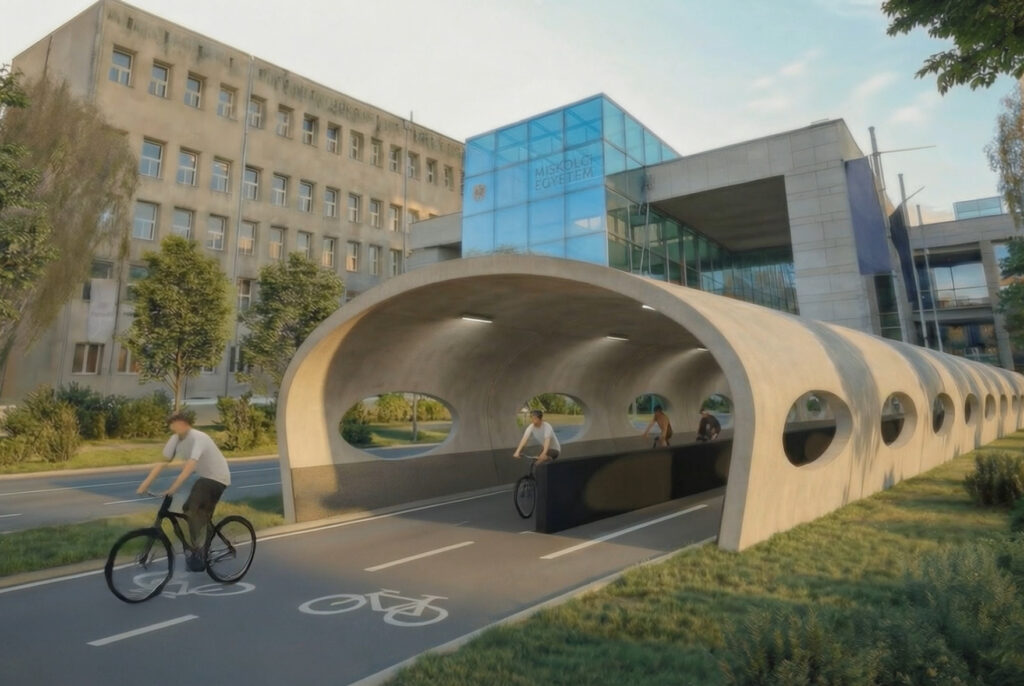
BRINGA proposes a modular, enclosed or semi-enclosed cycling superhighway system that:
• Fully separates cyclists from motorised and pedestrian traffic
• Neutralises weather impacts (covered, side-protected infrastructure)
• Is built largely from recycled and circular materials (waste concrete, recycled rubber, composite solutions)
• Integrates renewable energy generation (roof-mounted photovoltaics with storage)
• Includes smart and safety systems (lighting, sensors, cameras, digital traffic support)
• Designed for prefabrication, rapid deployment and scalability across Europe
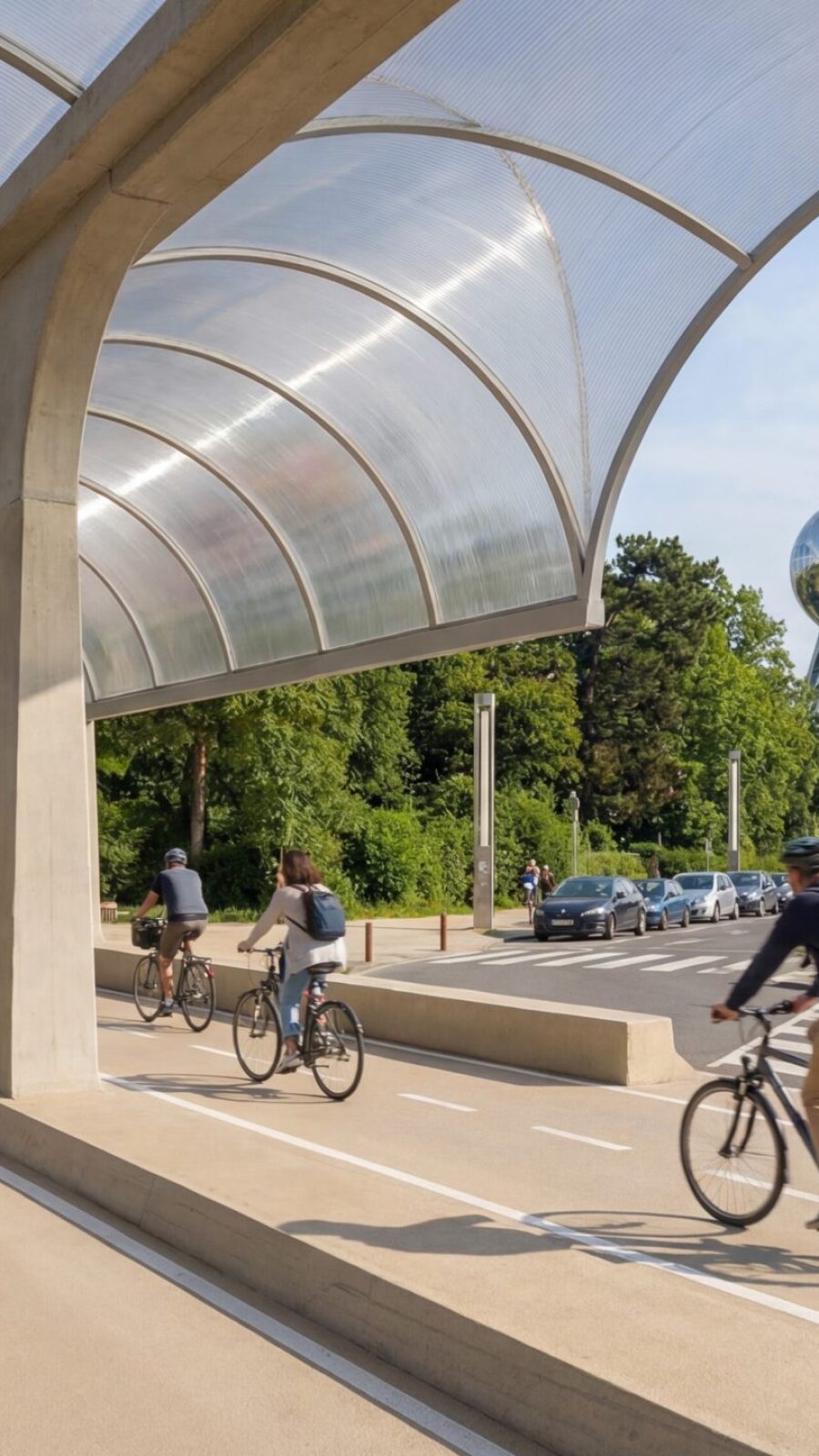
A dedicated place for cyclists
Research and Development Focus
• Development of structural systems using recycled concrete, rubber, composites and hybrid solutions
• Optimisation of durability, safety and life-cycle performance
• Safe entry/exit solutions and intersections
• Regulatory and traffic-rule adaptation (EU and national contexts)
• Design of prefabricated elements suitable for serial production
• Factory-level pre-assembly of mechanical, electrical and safety systems
• Architectural and structural adaptations for urban centres, industrial zones and peri-urban areas
• Design variants for above-ground, semi-underground and underground deployment
• Rapid on-site installation methods
• Foundation and assembly solutions minimising disruption
• Smart control of lighting, safety and digital services
Expected Impacts
Significant modal shift from private
cars to cycling
Measurable CO₂ and air-pollution reduction, especially in
winter periods
Improved road safety and reduced
cyclist accidents
Increased public health and
preventive mobility benefits
Creation of a new export-ready
European infrastructure solution
Contribution to EU Green Deal, Climate Law and Circular Economy Action Plan objectives